

Oman: Salalah to The Empty Quarter
Travel in the footsteps of Wilfred Thesiger
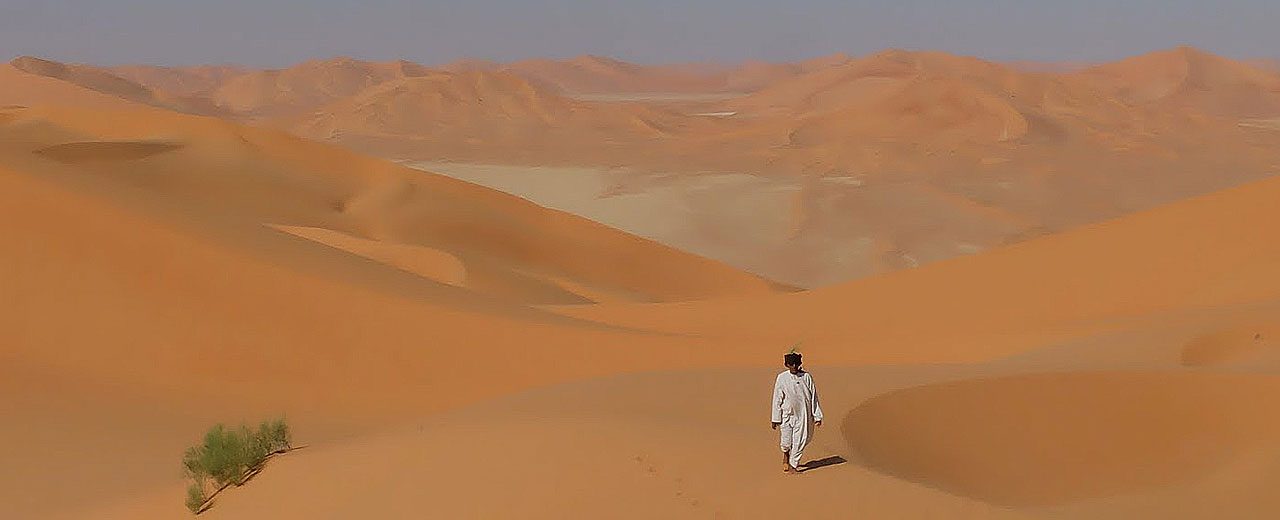
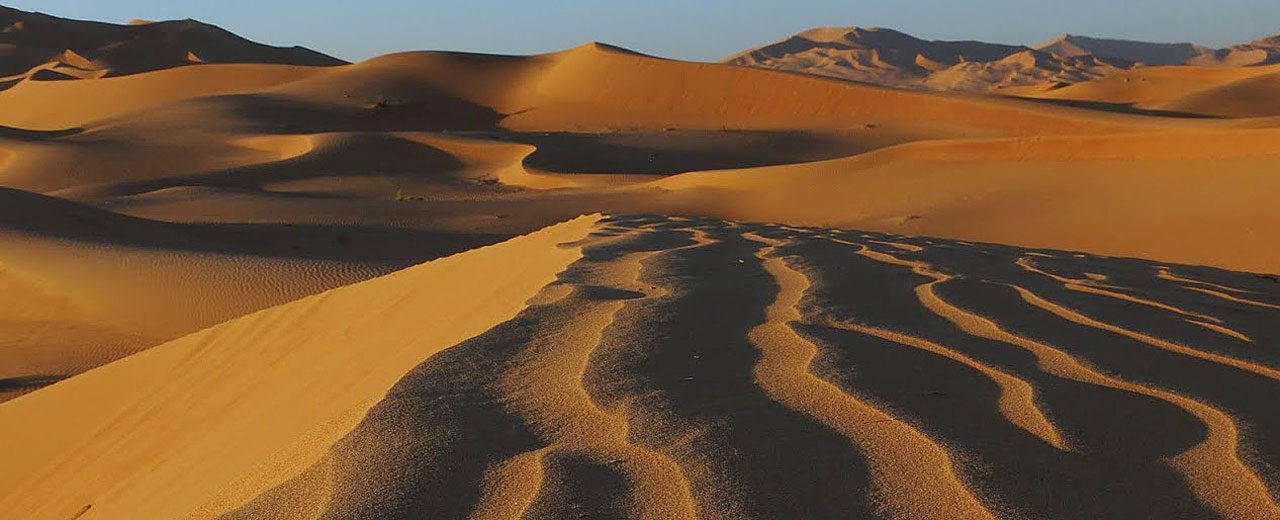
Our 14 day tour of Southern Oman commences in the lovely coastal city of Salalah, on 12 November 2020, once the centre of the ancient incense route. We spend time exploring the coastline enjoying the gorgeous beaches that stretch hundreds of kilometres along the Indian Ocean and the craggy mountain ranges with stunning views, before heading towards the interior on a five night camping adventure into the Empty Quarter, that vast expanse of sand covering about 650,000 square kilometres of the Arabian Peninsula. This is an incredible opportunity to learn about life in the desert from our Bedouin guides and to hear from them about how their lives have been improved/changed by the country’s advances. Oman is a hidden gem, a real success story in the Middle East! A country with a huge variety of highlights, an intoxicating mix of incredible scenery and some of the most gentle people on the planet! A truly unique journey into Old Arabia!
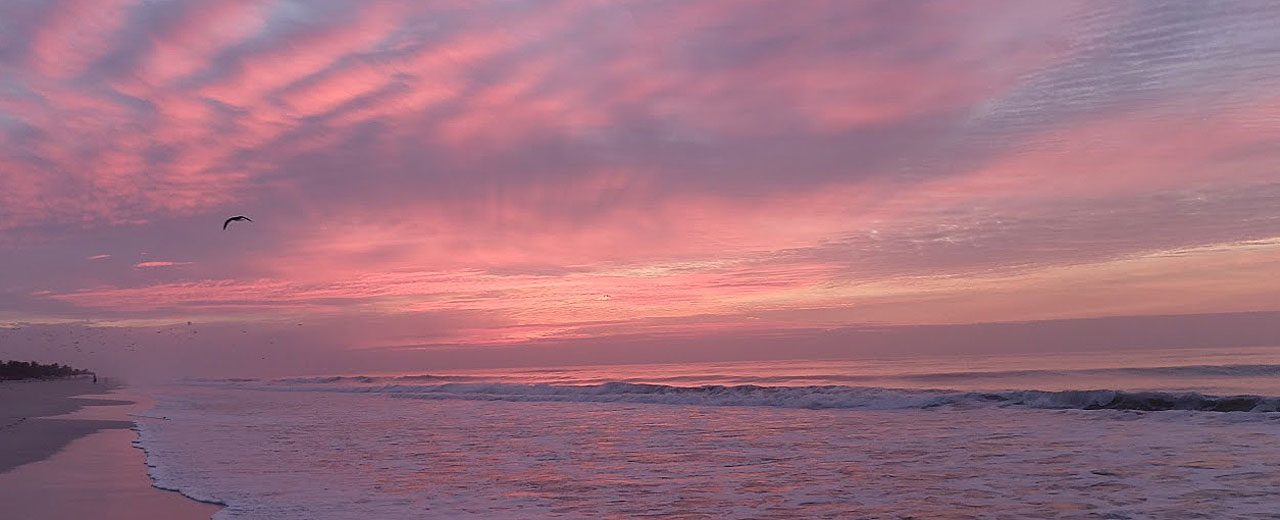
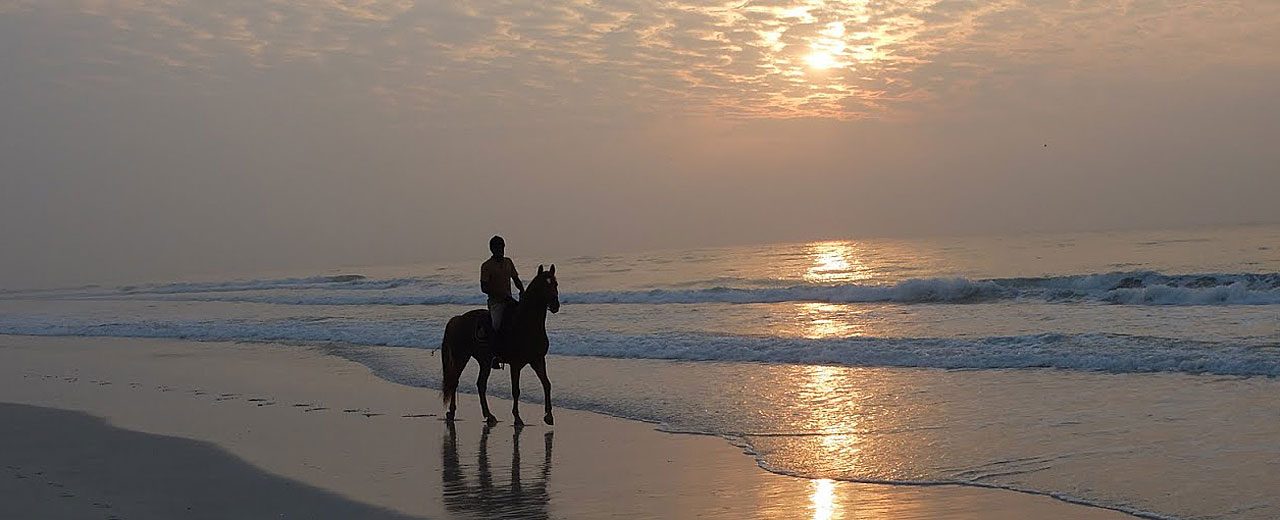
We are met upon arrival at the airport in Salalah and transferred to our beachfront hotel. Salalah is Oman’s southernmost city and most famous for its long white beaches, spectacular landscapes, diverse scenery, vast deserts, frankincense, and a fascinating culture. There is a subtle African flavour here not found elsewhere in Oman, a city surrounded by flame trees, lush banana and coconut plantations, with dramatic colours, reflected in the flowers, the buildings, and the local women’s clothing – bold and colourful patterns – a million miles away from the black abayas further north. Overnight Salalah
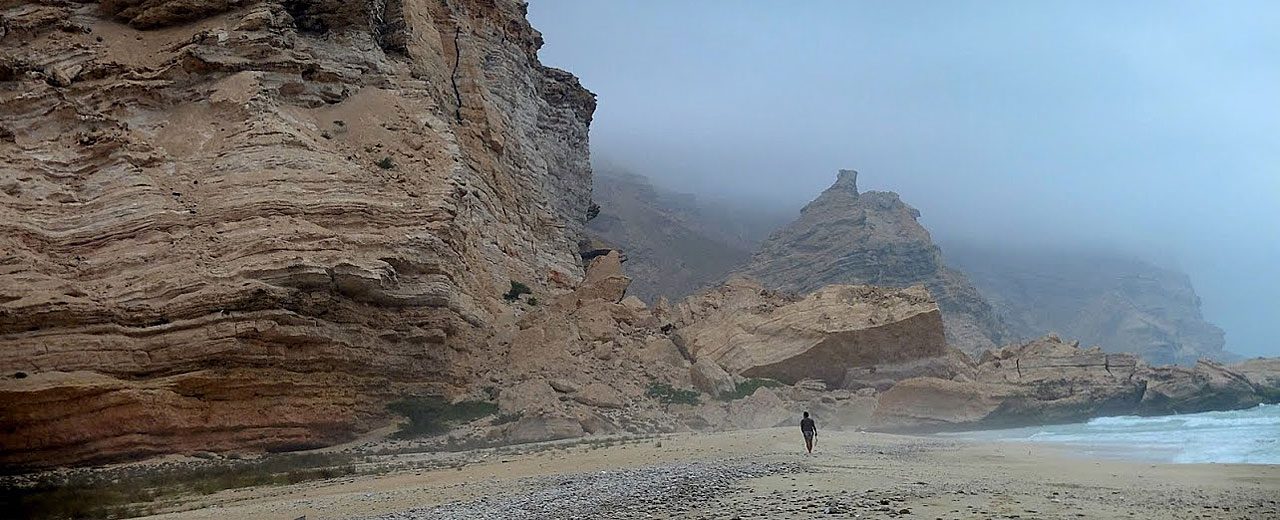
This morning we drive west initially through dusty wadis to Rakhyut, then behind soaring cliff tops with spectacular ocean views to Mughsayl. This is a beautiful beach area and great for swimming, and bird watching, especially in February. Here we will see the best frankincense groves in the region – one of the few types of vegetation to survive in this arid habitat. Continue on to Ajdorot Mountain where we can walk and enjoy this beautiful area. Then drive along a wonderful mountain road with breathtaking scenery to Al Fazayah Beach where we will have a picnic lunch in an idyllic cove hemmed in by spectacular sea-cliffs and limestone formations. Return to Salalah for overnight.
After breakfast we drive to the Qara Mountains, the mountainous plateau that forms part of the Dhofar range. As we leave the coast, the road switchbacks up the escarpment and the vegetation becomes sparser, eventually giving way to a rocky, sandy landscape dotted with acacia and frankincense trees. Here we will meet and learn about the local mountain people who live in the highlands with their herds of camels and goats. The nomads have their own distinct language and culture, preserved over the centuries by the remoteness of their land. Due to the authenticity of this activity it is impossible to guarantee any set programme. However, we will do our best to make the regular arrangements, but if it is not possible, alternative arrangements will be made. Return to Salalah for overnight.
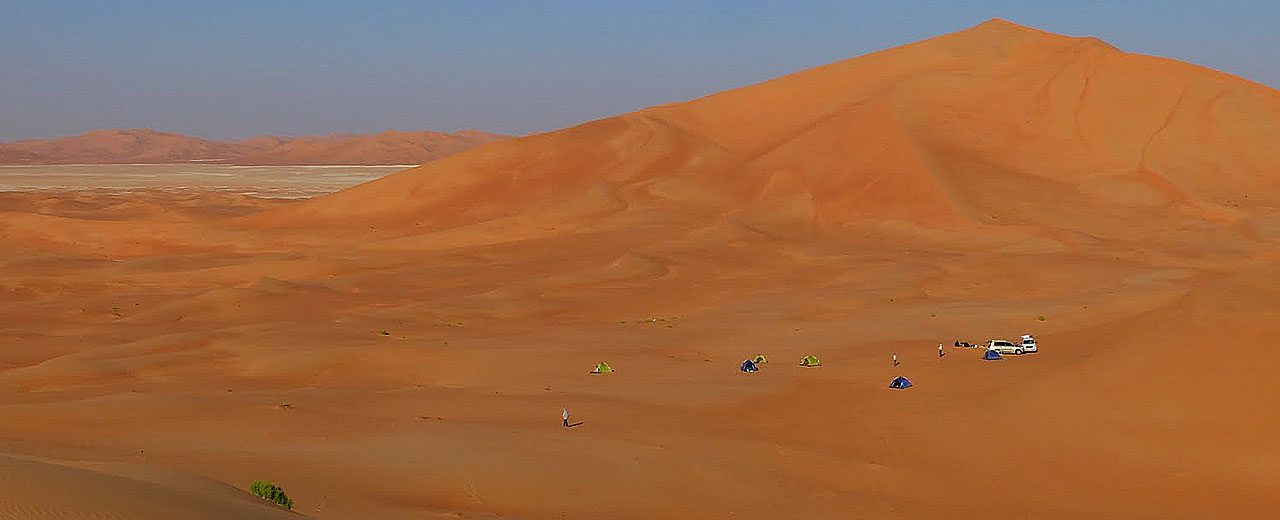
This morning we leave Salalah to embark on a camping adventure into the Empty Quarter with our Bedouin guides. Over the course of the next six days we will learn about life in the desert and how the lives of the nomads have been improved by the country’s advances.
The Empty Quarter, or Rub al Khali in Arabic, is a vast expanse of sand, covering about 650,000 sqm of the Arabian Peninsula, stretching from the United Arab Emirates in the north, touching Oman in the East, and covering a huge portion of Saudi Arabia – an area about the size of France. This is the heartland of the nomadic Bedouin, and the setting for Wilfred Thesiger’s classic book Arabian Sands. Thesiger made two epic crossings of this inhospitable land back in the 1940s.
This will be a journey of incredible contrasts, following in the footsteps of the pioneering explorers of old and taking in some of the richest natural and cultural highlights that Arabia has to offer. Desert Camping.
Today we return to Salalah and our hotel for overnight
This morning we drive east to the Jebel Samhan plateau, rising high above the coast at 1800m. Here we find the hanging valley of Wadi Dirbat, at its most impressive in full flood. Further into the mountains is Tawi Attir (the hole of the birds), a natural sinkhole over 100m wide and 250m deep. Nestled in a hidden valley is the Baobab Forest with huge bulbous trees, one tree over 2000 years old and 30 feet in diameter at its base. Continue on to Mirbat, a very picturesque coastal town, and the ancient capital of Dhofar. This was an important town as early as the 9th century for its trade in frankincense, horses and slaves. Some of the old Dhofari-style houses here are famous for their woodcarving. One of Dhofar’s best known historic sites is Bin Ali’s Tomb, the twin domed structure being a fine example of medieval architecture. We reach Ain Razat to take a picnic lunch in this lovely location of natural springs, hills, gardens and streams. Then drive along a lovely stretch of coastal road to Hasik Beach where we will set up camp for the night.
This morning we head out on a boat to watch the turtles and dolphins. Then drive on the spectacular road climbing up onto the plateau through trenches carved in the cliffs. From above you will see incredible Grand Canyon type scenery with an ocean backdrop. The plateau itself is extremely bare and austere. Finally we reach Wadi Shuwaymiyah for overnight camping in one of the caves overlooking a frankincense grove.
Morning exploration of the area then a walk through a date plantation, alongside a wonderful lagoon and onto a remote beach – a very beautiful place! Return to Salalah and the guest house for overnight.
Transfer to Airport. Services end
Price
From AUD$3965 per person twin share. Depending upon number in your party. Single Supplement on Application.
Inclusions
Tour price includes all accommodation, breakfast daily, all meals during the desert expedition, all excursions, entrance fees, English speaking guides, and all transport. Note airfares, insurance and visa costs are not included.